Delhi has markets for everything — wholesale textiles, budget electronics, spice trading, secondhand books. INA Market occupies a different space from all of them. Named after the Indian National Army, established in 1953, and positioned in the diplomatic belt of South Delhi, it has evolved into the city’s most serious destination for imported food products, fresh meat and seafood, international pantry ingredients, and specialty grocery items that are simply unavailable in a standard supermarket. Chefs, expats, food writers, and passionate home cooks come here for the things they cannot find anywhere else in the city.
Quick Overview: INA Market Delhi
| Detail | Information |
| Full Name | Indian National Army Market |
| Location | INA Colony, Sri Aurobindo Marg, South Delhi |
| Area | South Delhi, near AIIMS and Safdarjung |
| Established | 1953 |
| Market Type | Speciality food, grocery, and general retail market |
| Timings | 10:00 AM – 9:00 PM (Tuesday to Sunday) |
| Weekly Off | Monday |
| Nearest Metro | Dilli Haat – INA Station, Pink Line (~53 metres) |
| Known For | Imported groceries, fresh seafood, exotic produce, spices, international ingredients |
| Parking | Limited; metro is the easiest access option |
Where Exactly Is INA Market
INA Market is located in INA Colony, South Delhi, on the eastern side of Sri Aurobindo Marg between Ring Road and the Delhi Ring Railway. The Dilli Haat INA metro station on the Pink Line is the closest transit point — barely 53 metres from the market entrance, making this one of the most metro-accessible markets in the entire city. From the station exit, the market is a one-minute walk. The broader INA neighbourhood sits adjacent to AIIMS, Safdarjung Hospital, and the Chanakyapuri diplomatic enclave, which explains its long-standing specialisation in imported and international food products. Diplomats and expat families from the nearby embassy zone have historically been core customers here.
By bus, the Kushak Nallah Depot stop is a two-minute walk away. The DTDC routes 460, 479, 502, 517, and 578 pass through this area. By cab, INA Market is about 8.7 km from New Delhi Railway Station and approximately 15 minutes from Connaught Place via Rajiv Chowk metro. Parking near the market is tight — the metro option is not just convenient but genuinely the most practical choice.
The Dilli Haat cultural market operated by the Delhi Tourism Department sits immediately opposite INA Market, which means the two are frequently combined into a single visit.
What Shops You Will Find
Imported groceries are the market’s defining category. Specialist shops here carry cheeses from Europe, canned and bottled goods from across Asia and the West, imported chocolates, biscuits, sauces, dressings, pasta varieties, olives, cold cuts, and ingredients for cuisines ranging from Thai and Japanese to Italian and Middle Eastern. This selection developed naturally over decades as diplomatic staff brought demand for products from home and local traders responded. Bakers and pastry chefs come here specifically for specialty flours, extracts, marzipan, and confectionery ingredients that are not stocked by supermarkets.
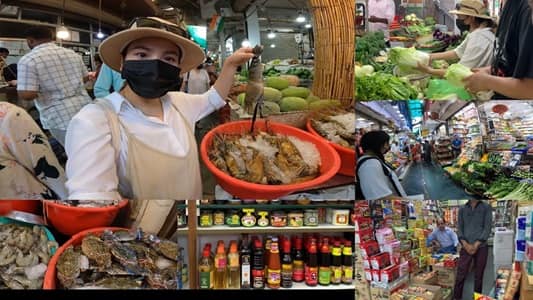
Fresh seafood is the other anchor. The meat and seafood section carries species that are difficult to source elsewhere in Delhi — pomfret, surmai, rawas, prawns, crabs, and a rotating selection of fish depending on what has arrived from the coast. The seafood here supplies numerous South Delhi restaurants and is the reason the market draws buyers early in the morning when stocks are freshest. Fresh chicken and mutton are also available in the market’s meat section.
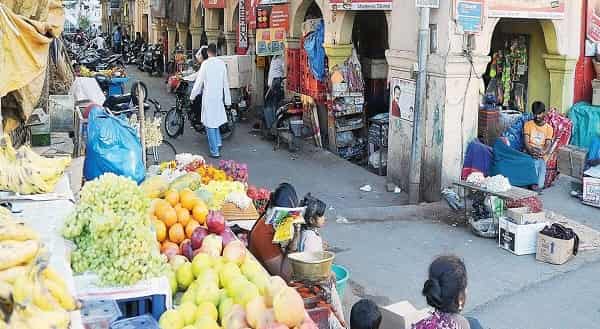
Fruits and vegetables at INA include both standard Indian produce and harder-to-find varieties — specialty mushrooms, imported berries, exotic greens, and seasonal international produce that appears in the stalls when supply allows. Dry fruits, Indian spices in bulk, and specialty condiments fill the grocery section.
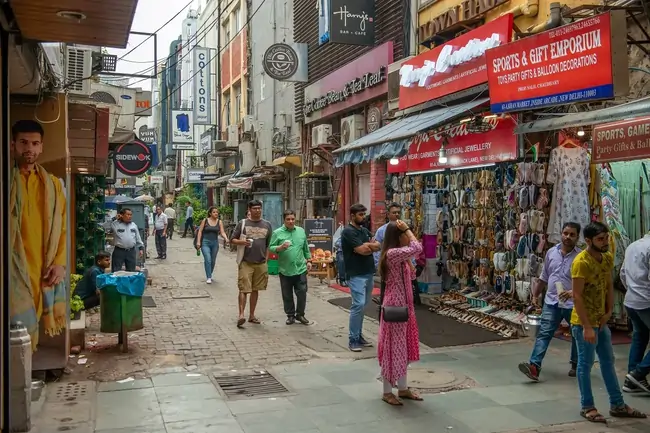
Beyond food, INA Market carries a practical range of general merchandise — dress fabrics, sarees, crockery, handloom textiles, disposable goods, bags, and accessories fill shops in the outer sections. These are complementary to the food trade rather than the primary draw, but they make the market a serviceable one-stop for daily needs if you are based nearby.
On the pricing front: INA is not a budget market. Imported items carry prices reflecting their sourcing, and the seafood section prices fresh catch at South Delhi rates rather than wholesale dock prices. The trade-off is access to products that are genuinely unavailable elsewhere, and quality that the market’s regulars — including professional chefs — consider reliably good.
Dilli Haat Directly Opposite
Worth mentioning separately: Dilli Haat INA, the open-air crafts and cultural market managed by Delhi Tourism, sits directly across from INA Market. It brings together artisans from across India’s states to sell handloom textiles, pottery, jewellery, woodwork, leather goods, and regional food. The two markets together make for a full half-day — groceries and specialty food at INA, crafts and regional food stalls at Dilli Haat.
Nearby Areas Worth Visiting
AIIMS is immediately adjacent, making INA a practical stop for anyone already in that part of South Delhi. Safdarjung Tomb — a beautiful late-Mughal monument in a quiet, tree-lined garden — is a short auto ride away and sees far fewer crowds than most Delhi heritage sites. Hauz Khas Village, with its cafés, boutique design stores, and the medieval Hauz Khas lake and mosque complex, is about 4 km away. Lodi Garden is also within short cab distance.
FAQs
Q1. What is INA Market Delhi famous for?
A: INA Market is best known for imported groceries, fresh seafood, exotic produce, and international food ingredients unavailable in standard supermarkets. It has served Delhi’s expat, diplomatic, and serious food-enthusiast community since 1953.
Q2. What are the timings of INA Market Delhi?
A: The market operates from 10:00 AM to 9:00 PM, Tuesday through Sunday. It remains closed on Mondays. The seafood and fresh produce sections are best visited in the morning when stocks are freshest.
Q3. Which metro station is nearest to INA Market Delhi?
A: Dilli Haat – INA Station on the Pink Line is barely 53 metres from the market entrance — a one-minute walk. It is among the most conveniently metro-accessible markets in Delhi.
Q4. Is INA Market expensive?
A: It is priced higher than budget markets, particularly for imported items and fresh seafood. Prices reflect the specialised sourcing and quality of goods. For everyday Indian produce, comparable prices are available elsewhere — INA’s value is in products that cannot be found at other Delhi markets.
Q5. Can tourists visit INA Market?
A: Yes, and it is genuinely worth a visit for anyone interested in Indian food culture at its most diverse. The combination of INA Market’s food sections and the Dilli Haat opposite makes for a rich half-day in South Delhi that covers both everyday commerce and traditional Indian craft.