Two-wheeler loan rates in India currently span an enormous range — from as low as 7.6% per annum to a staggering 36%, depending purely on which lender you approach and how well you present your financial profile. That’s not a rounding difference; on a ₹1 lakh loan, choosing the wrong lender at the wrong rate can cost you tens of thousands of rupees more over the loan’s tenure. Getting the lowest possible rate isn’t about luck — it comes down to a handful of genuinely controllable factors.
Why the Rate Range Is So Wide in the First Place
Bike loans are secured loans, with the purchased two-wheeler itself acting as collateral, which is exactly why rates stay meaningfully lower than unsecured personal loans in general. But within that secured-loan category, banks and NBFCs price risk very differently:
- Banks typically offer the most competitive rates, often starting between 7.6% and 15% per annum for well-qualified applicants.
- NBFCs frequently charge higher rates, sometimes reaching 24-36% per annum, though they often compensate with faster approval, minimal documentation, and higher acceptance rates for thinner credit profiles.
- The same lender can quote wildly different rates to two different applicants purely based on their credit score, income stability, and the specific bike being financed.
What Actually Determines Your Interest Rate
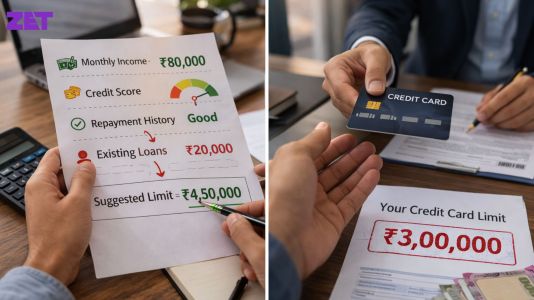
- Credit score: This is consistently cited as one of the single most important factors — a score above 600-650 significantly improves your chances of securing a lower rate, since lenders view you as a lower-risk borrower.
- Income level and employment stability: Your monthly income directly affects both loan eligibility and the rate offered; working for a reputed, stable employer strengthens your profile further.
- Loan amount and tenure: Higher loan amounts paired with shorter repayment periods often attract better rates than smaller loans stretched over longer tenures.
- Type of two-wheeler: New and premium bikes generally come with lower interest rates than used or entry-level commuter models, which can carry higher rates depending on age and category.
- Self-employed vs. salaried status: Self-employed applicants may face slightly higher rates due to the more variable, harder-to-verify nature of their income compared to a salaried applicant’s fixed monthly paycheck.
Practical Steps to Secure the Lowest Possible Rate
- Check and improve your credit score before applying: Pay all existing bills and EMIs on time in the months leading up to your application, since even a modest score improvement can shift you into a better rate bracket.
- Compare multiple lenders before committing: Rates from State Bank of India, HDFC Bank, ICICI Bank, Axis Bank, and various NBFCs can differ by several percentage points for the exact same borrower profile — spending a few days comparing offers is genuinely worth the effort before walking into a showroom.
- Choose a shorter loan tenure where affordable: A shorter term means paying off the loan faster and reducing total interest paid overall, even if your monthly EMI is somewhat higher as a result.
- Opt for a higher down payment: Financing a smaller portion of the on-road price reduces the lender’s risk exposure, which can translate into a more favorable rate offer.
- Time your purchase around festival or promotional offers: Banks and NBFCs frequently run temporary rate reductions during festive seasons or specific promotional campaigns — worth watching for if your timeline has any flexibility.
- Negotiate directly if your profile is strong: Borrowers with a solid financial profile or improved creditworthiness can often request a lower rate directly from the lender, who may review and offer better terms based on demonstrated eligibility.
- Consider electric two-wheelers specifically: Some banks, including SBI, offer a rate discount (commonly around 0.5%) specifically for electric vehicle purchases — a genuine incentive worth factoring in if you’re considering an EV anyway.
A Real-World Example Worth Learning From
A recent case that illustrates this well: a buyer eyeing a Royal Enfield Bullet 350 spent several days comparing loan proposals from SBI, HDFC Bank, ICICI Bank, Axis Bank, Bank of India, and Bajaj Finance before making his purchase decision. He discovered that selecting the right bank mattered more to his overall cost than which specific motorcycle he chose — a genuinely important reminder that emotional bike-buying decisions and rational loan-shopping decisions deserve equal attention, not one at the expense of the other.
What to Check Beyond the Headline Interest Rate
- Processing fees: These vary meaningfully between lenders and add to your genuine upfront cost beyond the advertised interest rate alone.
- Loan-to-Value (LTV) ratio: This determines how much of the bike’s on-road price gets financed — some lenders offer up to 100% funding, while others cap it around 85-95%, meaning your required down payment differs accordingly.
- Foreclosure or prepayment charges: If you might want to repay early, confirm whether any penalty applies before signing.
- Flexible tenure options: Most lenders offer terms ranging from 12 to 60 months — choosing the right balance between EMI affordability and total interest paid matters as much as the headline rate itself.
The Bottom Line
The lowest bike loan interest rates in India go to borrowers who arrive prepared — a strong credit score, stable verifiable income, a reasonable down payment, and a shorter loan tenure all work together to push your offered rate toward the lower end of the market’s wide 7.6-36% range. Comparing at least three or four lenders before committing, rather than accepting the first offer from a showroom’s in-house financing partner, is consistently the single most effective way to avoid overpaying on what should be a straightforward, secured loan.
FAQs
Q1. Should I finance my bike through the dealership’s in-house lender or shop around separately?
Comparing independently is usually better — dealership tie-ups aren’t always the cheapest option available for your specific credit profile.
Q2. Does making a larger down payment always guarantee a lower interest rate?
Not always guaranteed, but it generally strengthens your application and can meaningfully improve your negotiating position with lenders.
Q3. Can I get a lower rate on a used bike loan compared to a new one?
Generally no — used and entry-level bikes typically carry higher rates than new or premium models.
Q4. Is it worth switching lenders midway through my loan tenure for a better rate?
Yes, through a balance transfer, if the new rate and any transfer fees genuinely work out cheaper over your remaining tenure.