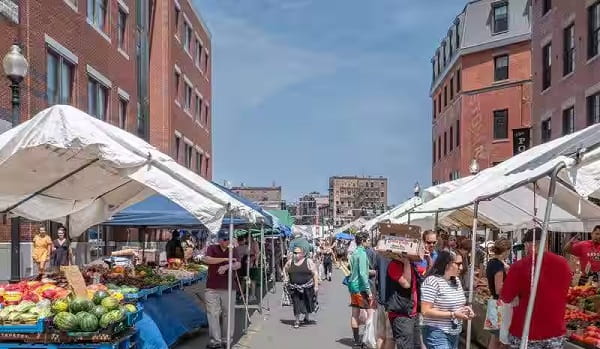
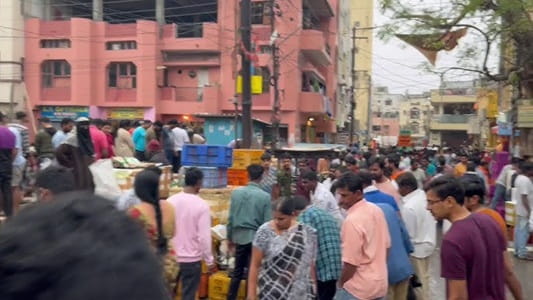
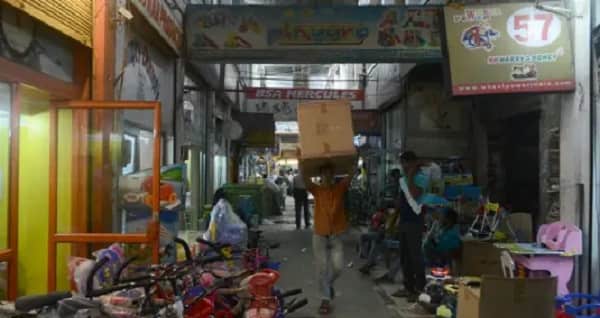
There is a stretch of road in South Mumbai that has been described in novels, photographed by tourists, bargained over by locals, and debated by city planners — and it still keeps going without any particular acknowledgment of the fuss. Colaba Causeway, officially known as Shahid Bhagat Singh Road, is that stretch. It runs through one of Mumbai’s most historically layered neighbourhoods, flanked by colonial-era buildings, boutique hotels, legendary cafés, and pavement stalls that have occupied the same spots for decades. The market here is not a complex or a building. It is the street itself.
Quick Overview: Colaba Market Mumbai
| Detail | Information |
| Official Name | Shahid Bhagat Singh Road (Colaba Causeway) |
| Location | Colaba, South Mumbai, Maharashtra |
| Area | South Mumbai, near Gateway of India |
| Market Type | Open-air street market along a commercial causeway |
| Timings | 10:00 AM – 10:00 PM (some stalls open earlier) |
| Weekly Off | No fixed weekly off; open all 7 days |
| Nearest Railway Station | Churchgate (~2 km), CST (~3 km) |
| Nearest Metro | Vidhan Bhavan Metro Station, Aqua Line (~1.3 km) |
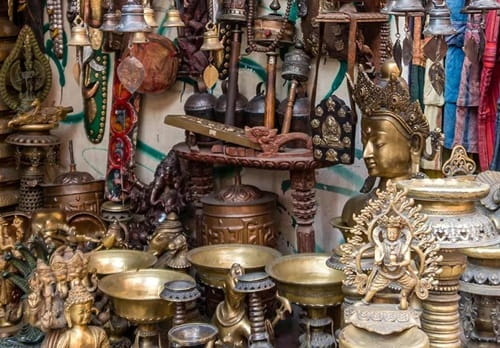
| Known For | Street fashion, antiques, jewellery, handicrafts, bookstalls, heritage cafés |
| Parking | Extremely limited; taxis and public transport recommended |
Where Exactly Is Colaba Market
Colaba Causeway runs through the southern tip of Mumbai, connecting Colaba to the Old Woman’s Island area. The Gateway of India and the Taj Mahal Palace Hotel sit on the parallel lane — barely a five-minute walk from the market’s northern end. Churchgate railway station on the Western Line is approximately 2 km away, and CST on the Central Line is about 3 km out. Auto-rickshaws do not operate in South Mumbai, so taxis, BEST buses, or app-based cabs are the standard means of reaching here. The nearest metro station is Vidhan Bhavan on the Aqua Line, about 1.3 km away. Ferry access to the Gateway of India is also possible for those coming from Elephanta Caves or Alibaug.
The street is lined with a mix of architecture — British colonial buildings sit next to modern storefronts, and the pavement itself is shared between permanent shops on the ground floors of old buildings and generations-old street vendor setups that have evolved into near-permanent fixtures.
What Shops You Will Find
Colaba Causeway offers a genuine mix rather than a single category. Street stalls running along the pavement handle the bulk of the bargain shopping — fashion jewellery, beaded accessories, leather bags, embroidered footwear, sunglasses, scarves, printed kurtas, and decorative items that are entirely negotiable on price. These stalls are where the market earns its reputation for budget shopping, and for tourists with patience and some bargaining instinct, the deals are real.
Permanent shops in the buildings along the causeway carry a different range. There are boutiques selling Indian ethnic wear and contemporary fashion, stores dealing in antiques and vintage items, bookshops including a long-running pavement stall that has existed in roughly the same spot for decades, optical outlets, cosmetic shops, and international brands including Miniso and Samsonite. The mix makes Colaba Causeway unusual — it serves both a backpacker on a budget and a boutique shopper on the same 500-metre stretch.
Food and Cafés
Leopold Café at the northern end of Causeway is the most famous name in the area — a 19th-century Irani café that has served as a casual meeting point for travellers, journalists, and neighbourhood regulars for over a century. Café Mondegar, known for its vintage jukebox and Mario Miranda murals on the walls, is another institution. Street food along the pavement includes kebabs, bhel puri, and cold drinks. The lanes branching off the causeway have a range of affordable thali restaurants. For those coming from the Gateway of India side, the Taj Mahal Palace Hotel’s coffee shop and restaurants are in the same neighbourhood for a very different kind of meal.
Nearby Areas Worth Visiting
The Gateway of India is five minutes away on foot and worth the walk, particularly in the early morning or evening when the crowd thins and the harbour view is clearest. The Taj Mahal Palace Hotel across the road is an architectural landmark that needs no particular reason to visit — the exterior alone is worth a slow look. The Elephanta Caves ferry departs from the Gateway of India jetty and takes about an hour each way, making it a natural day extension from a Colaba morning. The Kala Ghoda arts district is about 1.5 km north, a neighbourhood of art galleries, design studios, heritage buildings, and good coffee.
FAQs
Q1. What is Colaba Market famous for in Mumbai?
Colaba Causeway is famous for its open-air street shopping — jewellery, bags, footwear, fashion accessories, antiques, and handicrafts alongside permanent boutiques and heritage cafés. Its proximity to the Gateway of India and the Taj Mahal Palace Hotel makes it a natural stop on any Mumbai itinerary.
Q2. What are the timings of Colaba Market?
The market operates from around 10:00 AM to 10:00 PM. There is no fixed weekly off and most stalls and shops remain open all seven days, though a few individual stores may close on Sundays.
Q3. How do I reach Colaba Market from CST or Churchgate?
From Churchgate station, the market is about 2 km away — a short taxi ride. From CST, it is roughly 3 km. BEST bus routes 103, 125, and 83 pass near the market. App-based cabs are the most convenient option for direct travel.
Q4. Is bargaining expected at Colaba Causeway?
Yes, for all pavement and street stalls, bargaining is entirely standard. Most vendors quote a starting price that is well above what they will accept. Permanent shops inside buildings generally have fixed prices, but stall vendors expect negotiation.