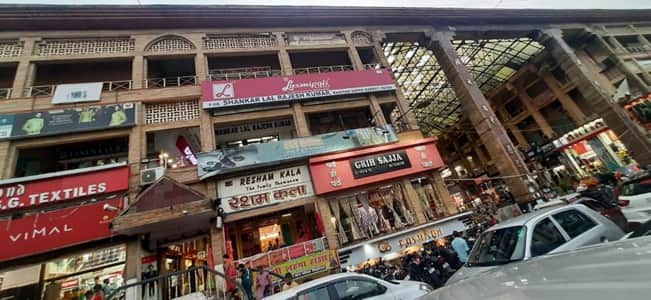
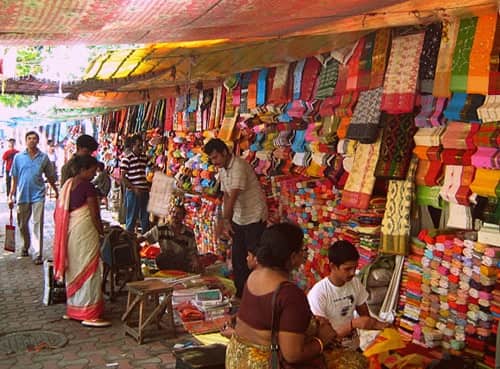
East Delhi’s Seelampur sits in a part of the city that is densely populated, commercially active, and rarely visited by anyone who does not already have a reason to be there. That is precisely what makes it worth understanding. Seelampur Market is a multi-layered commercial ecosystem — simultaneously a wholesale hub for fabrics, garments, and fashion accessories serving retailers from across North India; home to a specialised e-waste and electronics dismantling economy that operates on a different schedule from the rest of the market; and the neighbourhood commercial centre for one of Delhi’s most densely settled trans-Yamuna communities. It is, in other words, not one market but several overlapping commercial cultures occupying the same geographic zone.
Seelampur is also the metro gateway to Gandhi Nagar — Asia’s largest readymade garment market — a relationship that gives Seelampur Market additional commercial significance as the transit and satellite zone for one of India’s most important textile trading centres.
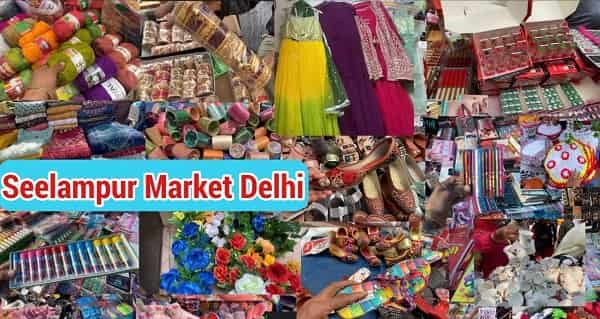
Quick Overview: Seelampur Market Delhi
| Detail | Information |
| Location | Seelampur, Shahdara, North East Delhi – 110053 |
| Also Associated With | Old Seelampur, Shanti Mohalla, Janta Gali |
| Area | Shahdara / North East Delhi |
| Market Type | Mixed wholesale and retail — fabrics, garments, electronics, e-waste, daily essentials |
| Timings | 10:00 AM – 8:00 PM (general retail); e-waste market: midnight – 6 AM |
| Weekly Off | Monday (most shops); Thursday and Sunday have weekly street markets |
| Nearest Metro | Seelampur Metro Station, Red Line |
| Distance to Gandhi Nagar | ~1 km from Seelampur Metro Station |
| Known For | Fabric and garment wholesale, laces and borders, fashion trimmings, e-waste dismantling, daily retail |
| Parking | Limited; metro strongly recommended |
Where Exactly Is Seelampur Market
Seelampur Market is located in the Seelampur area of Shahdara district, North East Delhi, pin code 110053. The commercial zone covers several sub-areas — Old Seelampur, Shanti Mohalla, and the lanes immediately around the Seelampur Metro Station form the primary commercial geography. Janta Gali in the Gandhi Nagar area, often referenced alongside Seelampur, sits within the same broader commercial zone about 1 km further into the Gandhi Nagar market belt.
Seelampur Metro Station on the Delhi Metro Red Line is the anchor transit point — the station is directly in the market’s commercial zone and makes the area accessible from Kashmere Gate, Shahdara, and the broader Red Line network. Gandhi Nagar Market — Asia’s largest wholesale garment market — is approximately 1 km from the station, making Seelampur the practical arrival and departure point for buyers sourcing from Gandhi Nagar. DTC buses on routes 280, 623, and 982 connect Seelampur and Shahdara to various parts of Delhi.
Parking is limited given the dense street commercial character of Seelampur. Metro arrival followed by walking or e-rickshaw is the standard approach for most buyers.
What Shops You Will Find
The fabric and garment wholesale trade is the market’s primary commercial identity for daytime buyers. Shanti Mohalla — a sub-zone of Seelampur — houses over 2,000 shops selling fabrics of every variety: corduroys, denim, rayon, jute, lace, georgette, and printed dress materials at wholesale pricing. This makes it a significant complement to Gandhi Nagar’s readymade garment trade — buyers who want to source fabric alongside or instead of finished garments find Seelampur’s textile zone indispensable.
The fashion trimmings section is one of the more distinctive aspects of the Seelampur commercial zone. Laces, borders, buttons, embroidered patches, designer trims, broaches, and the full range of garment embellishments are available from dedicated wholesale dealers. For boutique owners, small designers, and tailors who work with custom embellishments, this section offers depth and variety that is difficult to replicate at standard retail fabric stores. Notably, the weekly street markets on Thursdays and Sundays bring additional vendors selling fashion jewellery, knick-knacks, and accessories at below-market pricing — specific days when the already-active street scene intensifies considerably.
Electronics and mobile accessories shops operate through the main market hours, handling the daily needs of the residential population. This is the visible, conventional electronics retail layer of Seelampur’s economy.
The E-Waste Economy
Seelampur carries a parallel commercial identity that operates on an entirely different time schedule from the textile and retail market. Old Seelampur — specifically Galli No. 4 in the Old Seelampur area — houses what is one of Delhi’s most significant e-waste dismantling and trading zones. Electronic scrap from across India arrives here: motherboards, phone components, chips, circuit boards, and discarded consumer electronics are dismantled, segregated by component type, and sold on to processors and recyclers. High-value components — gold-bearing chips and quality RAM — are exported. The remainder moves to domestic processing facilities.
This economy operates primarily between midnight and 6 AM, when most of the market’s daytime trade is completely inactive. Scrap dealers, dismantlers, and component traders work through the night in a market that most daytime visitors to Seelampur never encounter or even know exists. The environmental implications of informal e-waste handling are significant and have been documented by environmental researchers, though the economic role of the zone in the livelihoods of its workers is equally undeniable.
Visitors interested in this layer of the market should approach it as informed observers — the night market is a working industrial-commercial space rather than a visitor destination, and respectful, non-intrusive observation is appropriate.
Food Near Seelampur Market
The Seelampur and Shahdara area carries a strong North Indian and Muslim food culture reflecting its demographic composition. Biryani, kebabs, nihari, parathas, and sweet shops are available throughout the commercial zone. Street food — chaat, samosas, and seasonal snacks — lines the market lanes during peak daytime hours. The food is practical and priced for the working population of a wholesale market rather than for dining tourism.
Nearby Areas Worth Visiting
Gandhi Nagar Market is the natural extension — Asia’s largest wholesale readymade garment market, approximately 1 km from Seelampur Metro Station and accessible by e-rickshaw or walking. Shahdara’s commercial zone extends across multiple markets in the trans-Yamuna belt. The broader Red Line corridor connects southward toward Delhi’s central areas and northward toward Dilshad Garden and beyond.
FAQs
Q: What is Seelampur Market Delhi famous for?
A: Seelampur Market is known for wholesale fabric and garment trading — particularly in Shanti Mohalla’s 2,000+ fabric shops — fashion trimmings, laces and borders, and as the gateway market to Gandhi Nagar (Asia’s largest readymade garment market). It also hosts one of Delhi’s significant informal e-waste dismantling economies in Old Seelampur, operating in the late-night hours.
Q: What are the timings of Seelampur Market Delhi?
A: General retail and wholesale shops operate from 10:00 AM to 8:00 PM. Monday is the primary weekly off day. Thursday and Sunday feature weekly street markets with additional vendors. The e-waste economy in Old Seelampur Galli No. 4 operates between midnight and approximately 6 AM.
Q: Which metro station is nearest to Seelampur Market?
A: Seelampur Metro Station on the Delhi Metro Red Line is the dedicated station for the area, located directly within the market zone. Gandhi Nagar Market is approximately 1 km further from this station.
Q: Is Seelampur Market good for fabric and garment wholesale buying?
A: Yes. Shanti Mohalla within the Seelampur zone has over 2,000 shops dealing in fabrics, dress materials, and fashion trimmings at wholesale rates. Combined with the adjacent Gandhi Nagar garment market, the Seelampur-Gandhi Nagar belt is one of the most comprehensive wholesale textile sourcing zones in North India.
Q: What are the Thursday and Sunday markets at Seelampur?
A: Weekly street markets set up on Thursdays and Sundays alongside the permanent shops, bringing additional vendors selling fashion jewellery, accessories, buttons, broaches, and assorted garment embellishments at prices often below the permanent shop rates. These weekly market days are the best for buyers specifically looking for small trimmings and accessories.