Open any Blinkit or Zepto order from an urban Indian household today, and there’s a genuine chance frozen nuggets, aloo tikki, or ready-to-cook parathas sit somewhere in that cart. What used to be an occasional indulgence, frozen food reserved for lazy Sunday cravings, has quietly become a genuine pantry staple for millions of dual-income, time-pressed Indian families. India’s frozen food market is projected to grow at 14.5% annually through 2035, and for entrepreneurs watching this shift, the genuine question isn’t whether demand exists, it clearly does, it’s whether the actual business economics genuinely support building a profitable operation around it.
Here’s what makes this genuinely worth examining carefully before diving in: frozen food is fundamentally different from most food businesses because your product’s entire value depends on an unbroken cold chain, from factory freezer to your customer’s home. Break that chain even briefly, and you’re not just losing a sale, you’re losing the inventory entirely. Understanding both the genuine growth opportunity and this specific operational risk matters enormously before committing capital to this space.
What Genuine Profit Margins Actually Look Like
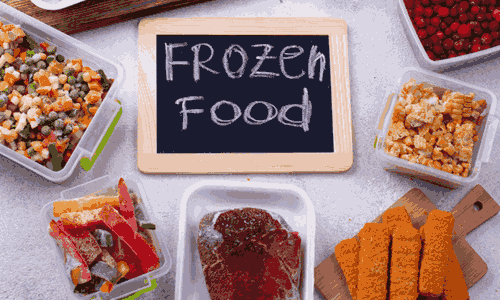
A frozen food manufacturing unit in India genuinely operates on profit margins ranging between 25% and 40%, making it a compelling opportunity for entrepreneurs entering the space in 2026. This margin range genuinely compares favourably against many conventional food processing businesses, reflecting the premium consumers pay for convenience and extended shelf life compared to fresh alternatives.
That said, it’s worth being honest about a genuine tension within this business model. While demand and revenue potential keep climbing, industry analysts specifically flag that the capital-intensive nature of maintaining cold-chain infrastructure creates real pressure on profitability, particularly for businesses trying to scale rapidly. This means your headline margin figure only holds up if you’ve genuinely accounted for the ongoing cost of refrigerated storage and transport, not just your production costs.
Understanding the Cold Chain Challenge Before You Commit
This is genuinely the single factor that separates frozen food from almost every other food business category, and it deserves serious attention before you invest a rupee. Unlike a regular snack or bakery product that tolerates some temperature fluctuation without immediate spoilage, frozen food requires an unbroken refrigerated chain from your factory all the way to the retail shelf or customer’s doorstep. If this chain gets interrupted even briefly, product quality genuinely suffers and that inventory becomes a loss rather than a sale.
The genuinely encouraging news is that India’s cold storage infrastructure has expanded considerably, exceeding 37 million metric tons of capacity by 2024, driven by both government investment and private participation. This expansion is genuinely enabling frozen food penetration into rural and semi-urban markets that were previously accessible only to metro-based businesses, a real opportunity for entrepreneurs willing to build or partner with proper cold chain logistics from the start.
Where the Genuine Demand Is Actually Concentrated
Not every frozen food category performs equally, and understanding where consumer appetite is strongest genuinely helps you position your product line correctly. Frozen desserts currently represent the largest single segment, holding roughly 23% revenue share, while frozen snacks, particularly items like green peas, French fries, nuggets, and Indian favourites like aloo tikki, continue to dominate everyday household purchases.
Ready-to-cook meals have genuinely emerged as a fast-growing category too, driven directly by rising urban employment, dual-income households, and a strong consumer preference for convenience without sacrificing food quality. If you’re deciding where to focus a new frozen food venture, these categories genuinely represent the strongest, most established demand rather than requiring you to build consumer habits from scratch.
The Export Opportunity Most New Entrants Overlook
Beyond domestic retail, India’s frozen seafood export sector genuinely represents a substantial, proven revenue stream worth understanding. India exported over 716,000 metric tons of seafood valued at roughly ₹40,000 crore, with frozen shrimp alone accounting for more than 66% of dollar earnings within that category. Coastal states like Andhra Pradesh and Gujarat have been investing heavily in seafood processing infrastructure specifically to support this genuine export demand.
This matters because it demonstrates the frozen food business model’s proven viability at scale, established players are building genuinely large operations around frozen exports, not just uncertain domestic retail bets. For entrepreneurs with access to coastal supply chains or seafood sourcing relationships, this export angle genuinely offers a different, potentially more lucrative path than competing purely in the crowded domestic snacks category.
What This Means for Your Investment Decision
Starting a frozen food manufacturing unit typically requires ₹10 to 20 lakh in initial investment, covering processing equipment, freezing technology, and basic cold storage infrastructure. Given the genuine capital intensity this business demands, particularly around maintaining that unbroken cold chain, it’s worth planning for higher ongoing operational costs than a typical dry snack or bakery business would require.
The online grocery boom genuinely works in your favour here too, platforms like BigBasket, Blinkit, Zepto, and Swiggy Instamart have reported substantial increases in frozen food orders, giving smaller manufacturers genuine distribution access that previously required expensive retail shelf space negotiations. Partnering with these platforms early, rather than trying to build your own delivery infrastructure from scratch, genuinely reduces the capital burden of reaching customers directly.
Frequently Asked Questions
What’s the biggest risk that could genuinely derail profitability in a frozen food business?
The unbroken cold chain requirement is genuinely the single biggest operational risk, any interruption in refrigerated storage or transport between your factory and the final customer results in spoiled inventory, meaning your logistics planning deserves as much attention as your actual product development.
How much capital do I genuinely need to start a small frozen food manufacturing business in India?
Most entrepreneurs entering this space budget ₹10 to 20 lakh for initial setup, covering processing equipment, freezing technology, and basic cold storage infrastructure, though costs can climb considerably higher if you’re building your own distribution cold chain rather than partnering with existing logistics providers.
Which frozen food category genuinely offers the strongest, most established demand for a new entrant?
Frozen snacks, particularly items like nuggets, French fries, and Indian favourites like aloo tikki, along with ready-to-cook meals, represent the most established and fastest-growing categories, giving new manufacturers genuine existing consumer demand to tap into rather than needing to build entirely new eating habits.
Should I focus purely on domestic retail, or is frozen food export genuinely worth pursuing for a new business?
This depends heavily on your supply chain access, frozen seafood export represents a genuinely substantial, proven revenue stream worth pursuing if you have coastal sourcing relationships, while domestic retail through online grocery platforms offers a lower-barrier entry point for manufacturers without existing export infrastructure or relationships.