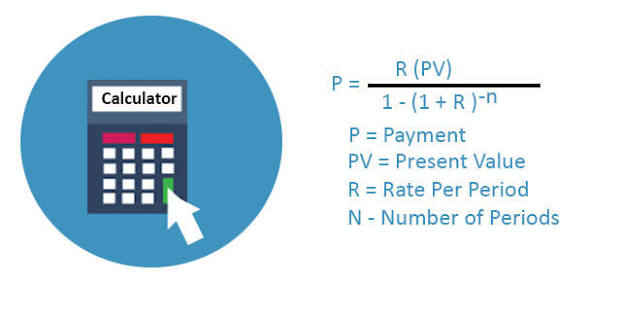
Home loan calculators work best not as a single tool you run once, but as a sequence you move through deliberately — affordability first, then EMI, then down payment, then tax benefit, then prepayment strategy. Skip a step or run them in the wrong order, and you risk building your entire financial plan around numbers that don’t actually apply to your situation, particularly when it comes to tax savings, which depend entirely on a decision most calculators never ask you to make first.

| Quick Facts | Details |
| Old tax regime home loan benefits | Section 24(b) interest deduction up to ₹2 lakh, Section 80C principal deduction up to ₹1.5 lakh |
| New tax regime (default since FY 2023-24) | Blocks both Section 24(b) and Section 80C entirely for self-occupied property |
| Joint loan maximum combined deduction | Up to ₹7 lakh, if both co-owners are also co-borrowers |
| Rule of thumb for regime choice | If total deductions exceed roughly ₹4.5-5 lakh annually, old regime typically wins for the 20-30% tax slab |
| Section 80EEA additional deduction | ₹1.5 lakh, but only for loans sanctioned between April 2019 and March 2022 — the window hasn’t reopened |
| Consequence of selling within 5 years | Previously claimed Section 80C deductions get added back to your income and taxed in the year of sale |
Here’s the step most planning guides skip entirely, and it changes whether an entire category of calculator even matters for you: the new tax regime, now the default filing option, blocks both the Section 24(b) interest deduction and the Section 80C principal deduction completely for a self-occupied property. A tax benefit calculator showing you ₹1.05 lakh in annual savings is a genuinely accurate calculation — but only if you’re filing under the old regime. If you’re on the new regime, which most taxpayers default into unless they actively opt out, that entire projected saving simply doesn’t exist. Deciding which regime you’re actually filing under has to come before you trust any home loan tax benefit calculator’s output.
The Planning Sequence: Which Calculator to Use First
Running these tools in a deliberate order prevents building your plan around numbers that don’t yet reflect your real constraints.
- Start with an affordability calculator, working backward from your income and existing obligations (using FOIR) to estimate a realistic maximum loan amount
- Move to a standard EMI calculator, testing that loan amount across a few different tenure options to see how monthly payment and total interest trade off against each other
- Use a down payment calculator next, confirming your minimum required contribution based on RBI’s LTV slabs, and separately budgeting for stamp duty, registration, and GST, which sit outside the loan entirely
- Only after these three steps should a tax benefit calculator enter the picture, and only once you’ve confirmed which tax regime you’ll actually file under
- Finally, a prepayment or balance transfer calculator helps you plan how you’ll accelerate repayment once the loan is actually running, ideally thought through before you sign rather than as an afterthought years later
Old Regime vs New Regime: Why This Decision Comes Before the Tax Benefit Calculator
This single choice determines whether the home loan tax benefits most calculators advertise apply to you at all.
- Under the old regime, a self-occupied property owner can claim up to ₹2 lakh in interest deduction under Section 24(b) and up to ₹1.5 lakh in principal deduction under Section 80C, for a combined maximum of ₹3.5 lakh
- Under the new regime, both of these deductions are blocked entirely for a self-occupied property — the only remaining benefit is interest deduction against a let-out property’s rental income, and even that carries no loss carry-forward against other income
- As a general rule of thumb, if your total home-loan-related deductions plus other eligible investments exceed roughly ₹4.5-5 lakh annually, the old regime typically comes out ahead for someone in the 20-30% tax slab; below that threshold, the new regime’s lower rates and higher standard deduction tend to catch up
- This decision should be revisited each financial year, since your specific deduction total and the prevailing slab structure can shift the better choice over time
Using a Tax Benefit Calculator Correctly, If Old Regime Applies
Once you’ve confirmed old regime genuinely fits your situation, a worked example clarifies how the calculator’s output actually gets derived.
- Section 24(b) allows up to ₹2 lakh in interest deduction annually for a self-occupied property, with no upper limit at all for a let-out property (though the loss set-off against other income is still capped at ₹2 lakh)
- Section 80C allows up to ₹1.5 lakh in principal deduction, but this limit is shared across all your eligible 80C investments, not exclusively available for home loan principal
- If you paid ₹2 lakh in interest and ₹4 lakh in principal in a given year, your actual claimable deduction is ₹2 lakh (24b) plus ₹1.5 lakh (80C, capped) — a combined ₹3.5 lakh, not the full amounts actually paid
- At a 30% tax slab, that ₹3.5 lakh deduction translates to an approximate tax saving of roughly ₹1.05 lakh, excluding surcharge and cess
Joint Home Loans: Doubling Benefits, But Only If You Get the Split Right
This is where planning genuinely pays off, provided the paperwork matches the intent from the start.
- If both co-owners are also co-borrowers, each can independently claim up to ₹2 lakh under Section 24(b) and ₹1.5 lakh under Section 80C on their own individual tax return
- A couple filing separately can therefore reach a combined household deduction of up to ₹7 lakh, a substantial reason joint home loans remain popular specifically for their tax efficiency
- The critical detail most people get wrong: the deduction split follows the ownership percentage stated in the property documents, not who’s actually transferring more money toward the EMI each month
- Claiming a deduction based on your EMI contribution ratio, when it doesn’t match your registered ownership share, risks disallowance if your return is scrutinized — getting the ownership percentage right at the time of registration matters as much as the loan structure itself
Stress-Testing Your EMI Against a Rate Hike
A genuinely useful planning step most people skip entirely, particularly relevant for the floating-rate loans most home loan borrowers choose.
- Since most home loans in India carry floating rates linked to a benchmark like the repo rate, your EMI or tenure can shift if that benchmark moves during your loan’s multi-decade tenure
- Running your planned loan amount through a calculator at your current quoted rate, and then again at a hypothetical rate 1-1.5% higher, shows you a realistic worst-case monthly payment before you’re locked into the loan
- If that stress-tested EMI would genuinely strain your budget, choosing a smaller loan amount or a longer tenure upfront gives you more breathing room than discovering the strain only after a rate hike actually occurs
- Building this buffer into your planning from day one is considerably easier than trying to restructure an existing loan under financial pressure later
Planning for Prepayment and Balance Transfer From Day One
Thinking through your repayment acceleration strategy before signing, rather than years into the loan, changes how you structure the loan itself.
- Since floating-rate loans no longer carry prepayment penalties for individual borrowers under RBI’s 2026 rule, planning to direct annual bonuses or windfalls toward prepayment is a realistic strategy worth building into your budget from the start
- A balance transfer calculator helps estimate whether refinancing to a lower rate later in your tenure would genuinely save money once processing fees, stamp duty on the transfer, and legal charges are factored in against the interest saved
- Because interest is heavily front-loaded in any long-tenure loan, planning your most aggressive prepayments for the earliest years produces disproportionately larger savings than the same prepayment amount made later
- Revisiting this plan annually, rather than treating it as a one-time decision made at loan sanction, lets you adjust based on how your actual income and rate environment evolve over the loan’s life
This is general educational information about using home loan calculators for planning purposes, not personalized financial or tax advice. Tax rules, LTV regulations, and rate structures can change, and consulting a qualified chartered accountant and your lender directly is essential before making significant home financing decisions.
FAQs
Q1. Do I get home loan tax benefits regardless of which tax regime I file under?
No. The new tax regime, now the default, blocks both the Section 24(b) interest deduction and Section 80C principal deduction entirely for a self-occupied property, so tax benefit calculators only apply if you’re filing under the old regime.
Q2. Can my spouse and I really claim separate tax deductions on the same joint home loan?
Yes, if you’re both co-owners and co-borrowers, each can independently claim up to ₹3.5 lakh, reaching a combined ₹7 lakh household deduction — but the split must follow your registered ownership percentage, not your EMI contribution.
Q3. Which calculator should I use first when planning a home purchase?
Start with an affordability calculator to estimate a realistic loan amount from your income, then move to EMI, down payment, and only afterward a tax benefit calculator, once you’ve confirmed your tax regime.
Q4. Is Section 80EEA’s additional ₹1.5 lakh deduction available for a home loan I take today?
No. That benefit only applies to loans sanctioned between April 2019 and March 2022, and the window hasn’t reopened as of Budget 2026, so a fresh loan today doesn’t qualify.
Q5. Why should I stress-test my EMI against a potential rate hike before taking a floating-rate loan?
Most home loans carry floating rates that can rise over a multi-decade tenure, so testing your EMI at a rate 1-1.5% higher than currently quoted reveals whether your budget can realistically absorb a future increase.
Q6. What happens to my tax deductions if I sell my home within 5 years of possession?
Any Section 80C principal deductions you previously claimed get added back to your income and taxed in the year of sale, though Section 24(b) interest deductions are not reversed even if you sell early.