Two credit cards, a store EMI for a fridge, a bike loan, and a small personal loan — juggling five different due dates a month is exactly the kind of financial chaos that pushes ordinary, disciplined people into missed payments and mounting penalties. It’s not usually recklessness that causes this; it’s simply too many moving pieces charging wildly different interest rates. A debt consolidation loan exists specifically to collapse that chaos into one number, one due date, and crucially, one considerably lower interest rate.
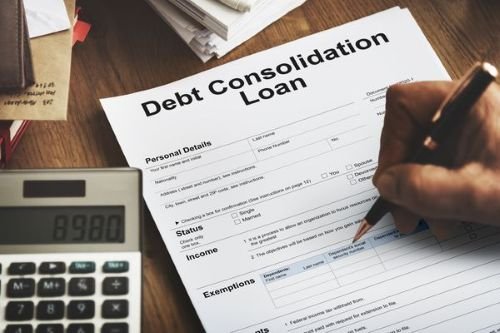
What a Debt Consolidation Loan Actually Is
A debt consolidation loan is a single personal loan you take specifically to pay off your existing, smaller high-interest debts — credit cards, BNPL dues, consumer durable EMIs, and other short-term loans — combining all of them into one structured EMI. Instead of tracking five different repayment schedules with five different interest rates, you’re left managing just one, considerably simpler obligation.
Why the Math Genuinely Works in Your Favor
The entire case for debt consolidation rests on one glaring interest rate gap that’s easy to overlook when you’re juggling multiple bills each month:
- Credit cards in India commonly charge interest rates of 36% to 42% per year, among the most expensive forms of consumer credit available.
- Personal loans, by comparison, typically charge 11% to 15% per year for borrowers with a reasonable credit profile.
- Taking a personal loan specifically to clear high-interest credit card debt can reduce your overall interest burden by over 60% — a genuinely dramatic difference when compounded over months of carrying a balance.
For home loan borrowers specifically, a top-up loan on an existing home loan is another consolidation route worth considering, typically carrying interest rates around 9.5-12% per annum — even lower than a standard personal loan, thanks to the loan being secured against your property.
The Real Benefits Beyond Just Lower Interest
- One EMI instead of several — a single due date each month meaningfully reduces the chance of accidentally missing a payment amid multiple competing deadlines.
- Lower total interest paid over time — moving from a 36-42% credit card rate to an 11-15% personal loan rate directly reduces how much of your monthly payment goes toward interest rather than principal.
- Improved CIBIL score over time — consistent, on-time repayment of a single consolidated loan reflects positively on your credit history, whereas juggling multiple cards increases your risk of a missed payment dragging your score down.
- More monthly breathing room — a lower blended EMI, spread over a structured tenure, frees up monthly cash flow that was previously being consumed by high-interest minimum payments that barely touched the principal.
The One Condition That Determines Whether It Actually Works
Debt consolidation only genuinely helps if you stop accumulating new debt on the cards you’ve just cleared. This is the single most important caveat, and it’s worth being blunt about:
- Re-spending on cleared credit cards while still repaying the consolidation loan effectively doubles your debt — you’ll be paying down the new loan while simultaneously running up fresh balances on the cards you thought you’d dealt with.
- Even the most competitively priced consolidation loan cannot fix an underlying spending pattern — it buys you a lower interest rate and a cleaner structure, not a change in habits.
- Many financial advisors recommend physically closing or freezing cleared cards, at least temporarily, specifically to remove the temptation until the consolidation loan is fully repaid.
Other Consolidation Routes Worth Knowing
- Balance transfer to a new credit card: Moving your outstanding balance to a card offering a 0% or low-interest introductory period, typically for 3-12 months. This suits borrowers with primarily credit card debt and the discipline to clear it within the promotional window — watch for transfer fees, commonly 2-3% of the transferred amount, and the considerably higher rates that kick in once the promotional period ends.
- Home loan top-up: If you already have a home loan with a strong repayment track record, a top-up offers a lower rate and longer tenure than a standard personal loan, making it worth exploring specifically if you’re a homeowner already carrying a mortgage.
- Standard personal loan for consolidation: The most straightforward and widely accessible route, typically requiring no collateral, with loan amounts commonly available up to ₹25-40 lakhs depending on your income and credit profile.
What to Check Before You Apply
- Compare your current blended interest rate against the new loan’s rate — the consolidation only makes financial sense if the new rate is meaningfully lower than what you’re currently paying across your existing debts combined.
- Check for processing fees and prepayment penalties on the new loan, since these can quietly eat into your expected savings if not factored in upfront.
- Confirm your total consolidated EMI is genuinely affordable relative to your income — stretching into an unaffordable EMI to clear existing debt simply trades one financial stress for another.
- Review your credit score before applying, since a stronger score directly translates into a lower interest rate offer, which is the entire point of the exercise.
The Bottom Line
A debt consolidation loan works as a genuine financial reset button specifically because personal loan rates in India sit dramatically below credit card interest rates, letting you replace several high-cost, hard-to-track debts with one simpler, cheaper EMI. That said, this strategy only delivers real, lasting relief if paired with a genuine commitment to stop accumulating fresh debt on the cards you’ve just cleared — without that discipline, consolidation simply delays the same problem rather than solving it. This isn’t personalized financial advice; comparing offers across lenders and, where needed, consulting a financial advisor is worth doing before committing to any consolidation loan.
FAQs
Can I consolidate my home loan along with my credit card debt into one loan? No — home loans carry much lower interest rates than personal loans, so it’s better to keep them separate rather than merging them into a costlier consolidated loan.
Do I need collateral to get a debt consolidation loan in India? Usually no — most consolidation loans are unsecured personal loans, though a home loan top-up route does use your property as collateral.
Will taking a debt consolidation loan hurt my CIBIL score? A new loan application triggers a hard inquiry causing a small temporary dip, but consistent on-time repayment afterward typically improves your score over time.
How much can I actually borrow for debt consolidation? Most lenders offer up to ₹25-40 lakhs depending on your income and creditworthiness, though exact limits vary by bank and profile.