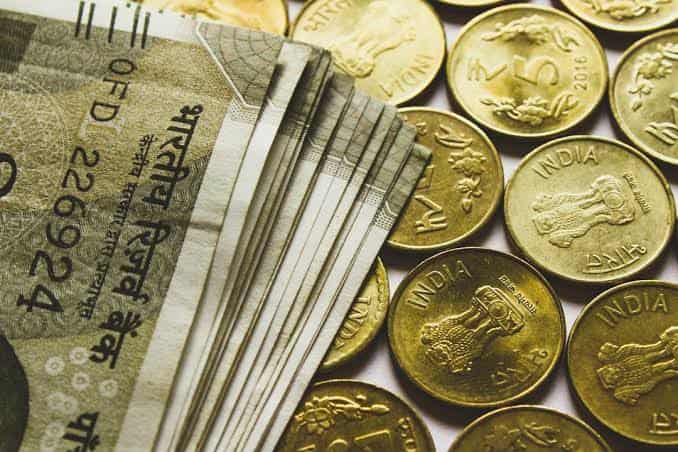
A retired homeowner sits on a property worth ₹1 crore, built over decades of hard work, and yet struggles to cover monthly medical bills or basic living expenses with an insufficient pension. Selling the family home feels emotionally and socially unthinkable, and traditional loans are largely inaccessible at this stage of life. The Reverse Mortgage Loan Scheme exists precisely for this paradox — letting elderly homeowners unlock their property’s value without giving up ownership or moving out.

What a Reverse Mortgage Actually Is
A reverse mortgage works in the opposite direction of a traditional home loan. Instead of borrowing money to buy a house and repaying the bank through EMIs, a senior citizen who already owns a home pledges that property to the bank and receives regular payments — a “reverse EMI” — in return. The house keeps working for you financially while you continue living in it exactly as before.
- The bank calculates your loan amount based on your property’s valuation, your age, and prevailing interest rates.
- You can receive payments as a monthly income, quarterly installment, or a lump sum, depending on your preference and the specific lender’s policy.
- With each reverse EMI you receive, your equity or ownership interest in the house gradually decreases — the trade-off for the steady income stream.
Who Qualifies for This Scheme
- The applicant must be at least 60 years old, an Indian citizen.
- For a joint application with a spouse, one spouse must generally be 60 or older, while the other should be at least 55 — there’s no upper age limit.
- The property must be a self-occupied residential house or flat located in India, and must have been your primary residence for at least a year.
- The property should be debt-free, with a clear, marketable title, free from major legal disputes or existing heavy loans.
- The property must be self-acquired and self-owned — ancestral property cannot be reverse mortgaged under this scheme.
- Most banks require the property to have a remaining useful life of at least 20 years, and ideally be less than 20 years old.
How Much You Can Actually Borrow
- The maximum loan amount available is typically 60% of the property’s value, subject to an overall cap that varies by lender (commonly cited around ₹50 lakh, though this can differ across institutions).
- For example, a 70-year-old owning a property valued at ₹1 crore might be offered a loan of roughly ₹60 lakh, disbursed as a lump sum, monthly income, or a combination of both.
- The maximum mortgage tenure is 20 years, as prescribed by government guidelines or the specific lender’s policy, with a minimum tenure commonly set around 10 years.
- The property is reevaluated every 5 years by the bank or housing finance company, which can adjust the payment structure going forward.
Why This Scheme Genuinely Helps Senior Citizens
- Supplemental income without selling: It offers a regular income stream specifically to help meet living expenses, medical costs, or other financial obligations that an insufficient pension alone can’t cover.
- Retained ownership and residence: Borrowers continue living in and owning their home throughout their lifetime — the bank doesn’t take possession while you’re alive.
- No monthly repayment burden: Unlike a conventional loan, you don’t make EMI payments during your lifetime; the bank recovers the amount later.
- Genuine tax benefit: Under Section 10(43) of the Income Tax Act, the periodic amounts received under a reverse mortgage are treated as a loan receipt, not income — meaning this money is entirely tax-exempt in your hands.
- Renovation deduction: If the loan amount is used to renew or repair the house, that portion becomes eligible for deduction in income computation as well.
When Does the Bank Actually Get Repaid
This is the part many people find confusing, so it’s worth being explicit:
- The house is sold and the loan recovered only after the borrower’s death, regardless of how long the loan tenure actually ran.
- Repayment can also be triggered earlier if the property is sold voluntarily, or if the borrower permanently shifts out of the house.
- After the loan is settled through the property’s eventual sale, any remaining sale proceeds go to the borrower’s legal heirs — the bank doesn’t simply keep the entire property value.
The Regulatory Framework Behind It
The Reverse Mortgage Scheme was formally announced on 30 September 2008, with the National Housing Bank (NHB) providing the overarching guidelines that define eligibility, maximum loan amounts, interest rates, and repayment terms across lenders. Commercial banks and housing finance companies — including SBI, Punjab National Bank, and Union Bank of India — are authorized to offer this facility under NHB’s standardized framework, ensuring the scheme operates within a consistent, regulated structure nationwide.
Important Limitations Worth Understanding
- Adoption remains extremely low in India compared to Western countries, largely because awareness and understanding of the concept are still limited among eligible seniors and their families.
- Ancestral property is excluded entirely — only self-acquired, self-owned residential property qualifies.
- Heirs inherit a reduced asset, since the accumulated loan and interest get settled from the property’s sale value before anything passes to the family — a genuine consideration worth discussing openly with children or other heirs before applying.
- Property condition requirements can disqualify very old structures, since most banks require a minimum remaining useful life on the property.
The Bottom Line
A reverse mortgage lets Indian senior citizens convert the equity locked in their home into a genuine, tax-free income stream — through monthly payments, quarterly installments, or a lump sum — without selling the property or losing the right to live in it for the rest of their lives. The scheme exists specifically to address the retirement paradox of owning valuable property but lacking liquid income, though it’s worth having an honest family conversation about the eventual reduction in inheritance value before committing, since the bank recovers its dues from the property’s sale only after the borrower’s death.
FAQs
Q1. Will my children inherit nothing if I take a reverse mortgage?
Not nothing — after the bank recovers its outstanding loan and interest from the property sale, any remaining proceeds go to your legal heirs.
Q2. Do I have to pay tax on the money I receive from a reverse mortgage?
No — under Section 10(43) of the Income Tax Act, these payments are treated as a loan, not income, and are fully tax-exempt.
Q3. Can I use a reverse mortgage on a property I inherited from my parents?
No — only self-acquired, self-owned residential property qualifies; ancestral property is not eligible under this scheme.
Q4. What happens if I want to sell the house myself before I pass away?
You can sell voluntarily, but this triggers loan repayment immediately, settling the outstanding balance from the sale proceeds.