Somewhere in Jaipur or Coimbatore, an eighteen-year-old with a Shopify store is sourcing phone accessories from a Chinese supplier on AliExpress, selling to customers across India, and genuinely wondering whether any of this is actually legal or whether they’re one customs inspection away from serious trouble. This exact anxiety stops countless Indians from starting a genuinely legitimate business model simply because the rules around international sourcing feel murky and intimidating.
Here’s the genuinely reassuring answer worth stating clearly upfront: dropshipping with foreign suppliers is completely legal in India, there’s no law prohibiting this business model. But “legal” doesn’t mean “unregulated,” and understanding exactly which compliance requirements genuinely apply to your specific setup, since these vary considerably depending on whether goods pass through India or ship directly abroad, matters enormously before you scale beyond your first few orders.
Why Dropshipping Itself Carries No Legal Prohibition
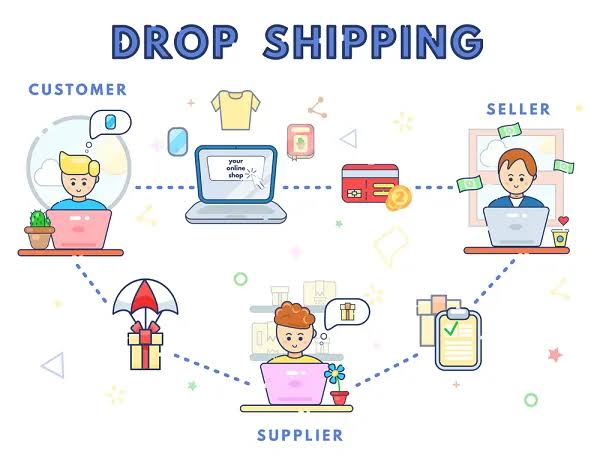
This deserves stating directly since it’s the source of most beginner anxiety. There is genuinely no Indian law that specifically bans or restricts dropshipping as a business model, whether you’re sourcing domestically or internationally. You’re free to list products, take customer orders, and have a foreign supplier ship directly to your buyer, this arrangement itself is entirely permitted under Indian commerce law.
What genuinely requires careful attention is everything surrounding this core transaction, tax compliance, customs regulations when goods physically enter India, and foreign exchange rules when money crosses borders. These aren’t optional add-ons you can defer until you’re bigger, they’re genuinely active from your very first international transaction, and getting them wrong creates real financial and legal risk regardless of how small your operation currently is.
The Critical Distinction: Do Goods Actually Enter India or Not
This single detail genuinely determines your entire compliance obligation, and it’s worth understanding clearly before assuming a blanket rule applies to your situation. If you’re operating as an India-based seller where goods get imported, warehoused, or consolidated within India before reaching your customer, you genuinely need an Import Export Code, GST compliance, and adherence to customs regulations for that imported merchandise.
If instead your foreign supplier ships directly from their own country to your customer, whether that customer sits in India or abroad, without goods ever physically entering India, an IEC generally isn’t required for that specific transaction. That said, you still genuinely need to manage tax obligations, maintain contractual clarity with your supplier around who bears responsibility for export clearance and customs in the destination country, and keep accurate records regardless of whether Indian customs ever touches the physical product.
Why the IEC Genuinely Matters Once Goods Cross Into India
For dropshippers whose model does involve goods entering India at any point, before reshipping domestically or internationally, the Import Export Code becomes genuinely non-negotiable. This ten-digit code from the Directorate General of Foreign Trade is free to obtain and typically issued within about 15 minutes online, making it a genuinely low-friction requirement worth completing early rather than scrambling for it after your first shipment gets held up.
Operating without a valid IEC when you’re genuinely required to have one can result in shipment confiscation and fines, a considerably more expensive and disruptive outcome than the few minutes it takes to register properly upfront. Since it’s a one-time registration requiring no renewal, there’s genuinely little reason to delay this even if you’re not yet certain how international your business will eventually become.
Understanding GST and Customs Duties on Imported Goods
When goods genuinely enter India as part of your dropshipping model, Integrated GST gets levied at the point of customs clearance, and this IGST is creditable against your overall GST liability, meaning it’s not simply an additional cost sitting on top of everything else, provided you’re properly registered and filing correctly. Customs duties themselves apply based on the specific HS code classification of your product, making accurate product categorisation genuinely important for calculating your real landed cost correctly.
GST registration itself has become genuinely essential for most dropshippers regardless of import status, particularly if you’re selling through major marketplaces like Amazon, which directly reports seller data to GST authorities, making non-compliance considerably riskier to attempt than it might have been in earlier, less digitally tracked years.
Why FEMA Compliance Genuinely Matters for International Payments
This is genuinely one of the more overlooked compliance areas for dropshippers dealing with foreign suppliers, and it deserves specific attention. Under the Foreign Exchange Management Act, all payments to foreign suppliers must genuinely flow through authorised banking channels, with proper documentation, supplier invoices and purchase orders, maintained as proof of purpose for every outward remittance you make.
Non-compliance with FEMA regulations can attract penalties reaching up to three times the actual transaction amount involved, a genuinely severe consequence that makes proper documentation discipline worth building into your business from day one rather than treating record-keeping as an afterthought. Round-tripping funds, sending money abroad and structuring its return as investment, is also strictly prohibited and worth avoiding entirely regardless of how it might be suggested to you.
Products That Genuinely Cannot Be Dropshipped Regardless of Compliance
Beyond general tax and customs rules, certain product categories are genuinely restricted or banned for import into India entirely, narcotics, hazardous chemicals, ivory, and several other categories, regardless of how properly you’ve handled every other compliance requirement. Food products genuinely require FSSAI certification, and pharmaceuticals require CDSCO approval, meaning dropshippers considering these categories specifically need additional licensing beyond standard IEC and GST compliance before they can legally operate at all.
Most conventional consumer goods, electronics, fashion, home décor, jewellery, beauty products, and fitness equipment, remain genuinely permissible without special additional certification, making these categories the safer, more straightforward starting point for anyone genuinely new to international dropshipping.
Frequently Asked Questions
Q1. Do I genuinely need an Import Export Code if my foreign supplier ships directly to customers without goods entering India?
Generally no, if goods ship directly from your supplier’s country to the end customer without ever being imported, warehoused, or consolidated within India, an IEC typically isn’t required for that specific transaction, though you should still maintain proper tax and contractual documentation.
Q2. Is GST registration genuinely mandatory for a small dropshipping business just getting started in India?
Even at low turnover, GST registration has become practically essential for most dropshippers, particularly those selling through major marketplaces like Amazon, which directly report seller transaction data to GST authorities, making non-compliance genuinely riskier than in earlier years.
Q3. What happens if I don’t properly document payments made to my foreign supplier?
Non-compliance with FEMA foreign exchange rules can attract penalties up to three times the transaction amount involved, making it genuinely important to keep supplier invoices, purchase orders, and proof of purpose for every international payment from your very first transaction.
Q4. Can I legally dropship any product category from a foreign supplier, or are some items restricted?
Most standard consumer goods, electronics, fashion, home décor, and beauty products, are genuinely permissible, but categories like food products and pharmaceuticals require specific additional certifications, FSSAI and CDSCO respectively, while items like narcotics and hazardous chemicals remain entirely banned regardless of other compliance.