Walk past any busy junction in an Indian city during evening rush hour, and you’ll spot at least one fruit cart doing brisk business, papayas, bananas, and seasonal mangoes moving fast to office-goers heading home. It looks deceptively simple, buy fruit, sell fruit, pocket the difference. But ask anyone who’s actually run this business for a few months, and you’ll hear a more nuanced story, one where genuine profit depends heavily on what you sell, how you sell it, and how well you manage the one enemy every fruit seller fights daily: spoilage.
Here’s why this question genuinely matters right now. India’s rising health consciousness has pushed fruit consumption steadily upward, and with fruits being a genuine daily necessity rather than a discretionary purchase, demand rarely dries up the way it might for a trendy product. The real question isn’t whether fruit selling can be profitable, it clearly can be, it’s whether you’re approaching it with the right model and expectations to actually capture that profit rather than watching it rot away in unsold stock.
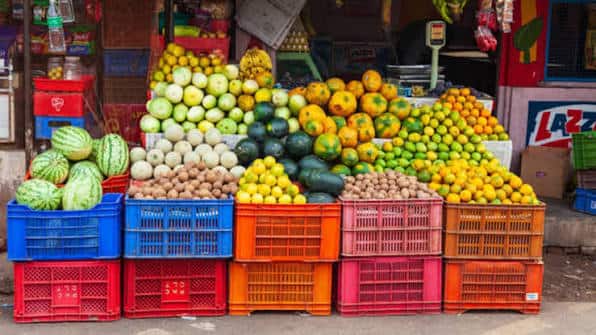
What Kind of Margins Are Actually Realistic
With proper planning, a fruit business can genuinely deliver profit margins in the range of 30 to 40%, a meaningfully strong return for a business that doesn’t require years of specialised training to enter. This figure isn’t guaranteed automatically though, it reflects what’s achievable when you’re managing sourcing, pricing, and wastage carefully rather than simply buying stock and hoping it sells before it spoils.
Fruit export businesses, which operate at a different scale entirely, typically see margins between 15 and 40%, depending heavily on quality standards, market demand, and logistics costs. This range genuinely illustrates something important: the fruit business isn’t a single, uniform opportunity, it spans everything from a small neighbourhood cart to an export operation, and your actual margin depends enormously on which segment you’re operating in and how efficiently you run it.
Starting Small: The Cart and Retail Stall Model
For most first-time entrepreneurs, the sensible entry point is genuinely a small retail setup, a cart, a stall, or a small shop in a busy locality. This model can realistically start with an investment of roughly ₹20,000 to ₹40,000, covering your initial stock, basic equipment like a weighing scale, and modest promotional spending to build local awareness.
This low barrier to entry is genuinely one of the business’s biggest advantages, you don’t need elaborate infrastructure, and you can start from virtually any location, rural or urban, since fruit demand exists everywhere. What determines your success here isn’t the investment size, it’s choosing a location with genuine daily foot traffic, near offices, schools, or residential complexes, and building a reputation for consistently fresh stock that keeps customers coming back rather than trying elsewhere.
Choosing the Right Fruits Genuinely Changes Your Profitability
Not every fruit delivers the same return, and understanding this genuinely shapes how you should structure your inventory. Grapes remain consistently popular among commercial sellers, partly because demand stays strong both for direct consumption and for secondary uses like raisins and jam production, giving sellers some flexibility if fresh stock doesn’t move quickly enough.
Seasonal premium fruits like mangoes offer a genuinely different opportunity, short harvest windows create high demand and correspondingly high prices during peak season, and raw green mango carries steady year-round demand too, for pickles and processed goods, creating a secondary revenue stream even outside the main mango season. Pomegranates genuinely stand out among fresh produce for their longer shelf life compared to most fruits, reducing the spoilage risk that eats into margins for more delicate produce, while also commanding a genuine freshness premium in retail settings.
Wholesale and Mandi-Based Trading
Beyond direct retail, many fruit sellers operate through wholesale channels, buying in bulk from major markets like Azadpur Mandi in Delhi, Vashi APMC in Mumbai, or Koyambedu Market in Chennai, then distributing to smaller retailers or directly to bulk buyers like hotels and caterers. This model genuinely requires more capital upfront than a small retail cart, but it also opens access to considerably larger transaction volumes.
Selling directly to supermarkets or export agents genuinely delivers roughly double the return compared to selling through local mandis alone, a gap worth understanding if you’re planning to scale beyond basic retail. Building these direct relationships takes time and reliability, but for sellers willing to invest in that trust-building process, the margin improvement genuinely justifies the effort.
The Value-Addition Opportunity Most Sellers Miss
This is genuinely where the smartest fruit business operators separate themselves from sellers stuck on thin margins. Turning fresh fruit into processed products, juice, pulp, jam, extends shelf life dramatically while often multiplying your per-kilogram return. One cooperative processing guava into pulp sold it to a national brand at roughly triple the price of fresh fruit, precisely because processing transforms a genuinely perishable, low-margin product into something shelf-stable and considerably more valuable.
This approach genuinely matters most for sellers dealing with fruits prone to oversupply or rapid spoilage, since converting excess or slightly imperfect stock into juice or pulp recovers value that would otherwise be lost entirely to wastage. Even a modest investment in basic processing equipment can genuinely transform your business’s overall profitability picture over time.
Managing the Real Risk: Spoilage and Oversaturation
Being honest about the challenges matters here too. Fruit is genuinely perishable, and unlike dry goods, unsold stock doesn’t simply sit on a shelf waiting for tomorrow’s customer, it deteriorates and eventually becomes worthless. This is precisely why careful inventory planning, buying only what you can realistically sell within your specific fruit’s shelf life, genuinely determines whether your margins stay healthy or quietly erode through daily waste.
Market oversaturation is a genuine risk too. Papaya prices crashed in certain regions after too many farmers and sellers simultaneously entered that specific market, a reminder that even genuinely profitable fruit categories can turn unprofitable if too many sellers chase the same limited local demand. Diversifying your fruit selection, and staying alert to which varieties are becoming locally oversupplied, genuinely protects you from this kind of margin squeeze.
Getting Your Basic Compliance Sorted
Regardless of scale, operating a genuine fruit business in India typically requires basic registration and, depending on how you’re selling, an FSSAI license if you’re processing, packaging, or branding your fruit products commercially rather than simply selling fresh produce as-is. This isn’t usually a major barrier for a small retail cart, but it becomes genuinely necessary once you move into value-added products like juice or pulp, or if you’re selling packaged fruit through online platforms or your own branded storefront.
Frequently Asked Questions
Q1. How much capital do I genuinely need to start a small fruit selling business in India?
A modest retail setup, a cart or small stall, can realistically start with around ₹20,000 to ₹40,000, covering initial stock, a weighing scale, and basic promotional expenses, making this one of the more accessible small business options available to first-time entrepreneurs.
Q2. Which type of fruit business genuinely offers the highest profit margins?
This varies considerably by model, small retail and export-oriented fruit businesses can achieve 30 to 40% margins with proper planning, while value-added processing, turning fresh fruit into juice, pulp, or jam, can push margins even higher by extending shelf life and increasing per-unit value.
Q3. How do I genuinely reduce losses from spoilage in a fresh fruit business?
Careful inventory planning based on your fruit’s actual shelf life, choosing varieties known for longer freshness like pomegranates, and investing in basic value-addition, converting excess stock into juice or pulp rather than discarding it, all genuinely help minimise the wastage that erodes profit margins.
Q4. Is it better to sell fruit through a physical stall or explore online and wholesale channels instead?
This depends on your scale and goals, a physical retail stall works well for steady, low-investment income, while wholesale trading through mandis or direct supermarket and export relationships genuinely offers higher per-unit returns but requires more capital and established buyer relationships to operate effectively.