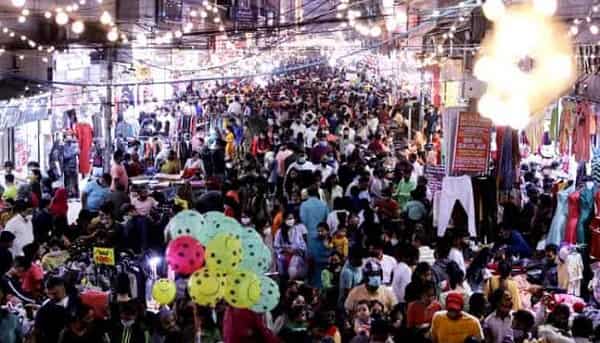
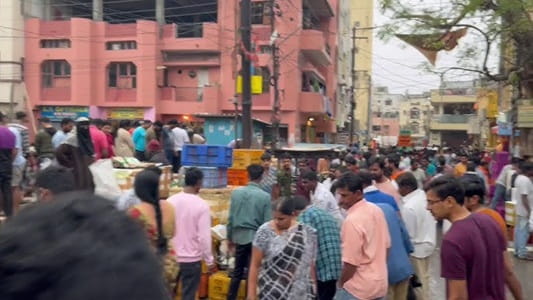
Delhi has wholesale markets for almost every conceivable product category. Most are organised around one street or one building. Kirti Nagar Furniture Market is something on an entirely different scale — a sprawling complex in West Delhi that spans hundreds of showrooms, multiple blocks, and product categories covering everything from bespoke handcrafted wooden furniture to imported modular systems, upholstery, lighting, and home décor. It is consistently cited as Asia’s largest furniture market, and the scale becomes apparent within minutes of arriving: this is not a market you browse casually. It is a destination that rewards planning, time, and a reasonable sense of what you are looking for.
The market’s origins trace to the Partition period. Furniture traders and skilled carpenters who relocated from the North-West Frontier Province settled in Delhi and, after years of operating from Paharganj, eventually migrated to Kirti Nagar as the industrial and warehousing zone of West Delhi expanded. The cluster grew through the 1960s and 1970s into a dedicated furniture hub, and by the 1990s it had become the undisputed furniture wholesale centre of North India.
Quick Overview: Kirti Nagar Furniture Market Delhi
| Detail | Information |
| Location | Furniture Block, Kirti Nagar Industrial Area, Kirti Nagar, New Delhi – 110015 |
| Key Address | 81, Furniture Block, Kirti Nagar Industrial Area |
| Area | West Delhi |
| Market Type | Wholesale and retail furniture and home décor market |
| Timings | 11:00 AM – 8:30 PM |
| Weekly Off | Most major shops closed Monday; some observe Friday |
| Nearest Metro | Kirti Nagar Station, Blue Line and Green Line interchange (~500 metres) |
| Also Accessible From | Moti Nagar Station, Blue Line |
| Known For | Asia’s largest furniture market — wooden furniture, upholstery, modular systems, home décor, customisation |
| Parking | Available but crowded on weekends; delivery typically at night due to No-Entry restrictions |
Where Exactly Is Kirti Nagar Furniture Market
Kirti Nagar Furniture Market is located in the Furniture Block of Kirti Nagar Industrial Area, West Delhi, pin code 110015. The primary address cited across dealers is 81, Furniture Block, Kirti Nagar Industrial Area, Kirti Nagar, New Delhi. The market stretches across multiple blocks — the Furniture Block, the Timber Block along Kirti Nagar Main Road, and the Warehousing Scheme (WHS) lanes — each handling different aspects of the furniture and home décor trade.
The nearest metro station is Kirti Nagar on the Blue Line and Green Line — an interchange station at which both lines converge. From the Kirti Nagar exit, the market is approximately 500 metres away — a short walk or quick auto ride. This makes it one of the more metro-accessible major wholesale markets in Delhi. The Moti Nagar Metro Station on the Blue Line is an alternative for those coming from the eastern part of the city. DTC buses from Connaught Place, Karol Bagh, and other areas serve Kirti Nagar directly.
Parking is available in and around the market, but gets crowded on weekends when individual buyers arrive in volume alongside the regular trade. A practical note: Delhi’s No-Entry restrictions on commercial vehicles during daytime hours mean that furniture delivery is almost always scheduled for night or early morning. This is relevant for buyers who want to understand delivery timelines when placing orders.
What Shops You Will Find
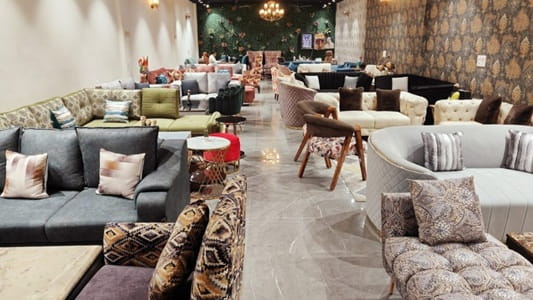
The furniture range at Kirti Nagar is genuinely comprehensive in a way that few markets anywhere in India can match. Solid wood furniture — sheesham, teak, mango wood, and engineered wood options — fills dedicated showrooms covering sofas, dining tables, beds, wardrobes, study desks, bookshelves, and complete bedroom and living room sets. The traditional craftsmanship tradition that built this market is still evident in shops where artisans carve headboards and table legs on the premises.
Upholstery and soft furnishings — sofa sets, sectional sofas, recliners, ottomans, and custom cushioning in hundreds of fabric options — are available from specialist shops where buyers can choose fabric, foam density, and frame type separately. The customisation aspect is one of Kirti Nagar’s strongest differentiators from retail stores: nearly every major shop here will build to specification, allowing buyers to get the exact dimensions, wood finish, and fabric combination they want at wholesale pricing.
Branded retail has entered the market alongside the traditional dealers. Pepperfry has a studio here that allows customers to experience products before buying online. Urban Ladder operates a Kirti Nagar presence for its modular and contemporary range. The Furniture Park is among the well-known shops for quality wooden furniture. Home City and other dealers handle modular kitchen components, bathroom vanities, and home décor items alongside furniture.
Lighting — both decorative and functional — has a dedicated section with chandelier showrooms, pendant light specialists, and contemporary LED fixture dealers. Home décor accessories, rugs, curtains, and hardware for furniture assembly and repair complete the market’s offering. Interior designers use Kirti Nagar as their default sourcing address for client projects, which says something about the depth of what is available.
The Best Approach to Shopping Here
Given the market’s scale, arriving without a plan is the fastest way to waste several hours. Most serious buyers either research specific showrooms in advance or hire a local guide for a first visit. Weekday mornings before noon offer the best combination of available sales staff, manageable footfall, and time to discuss customisation requirements properly. Weekend afternoons are the busiest and least conducive to detailed conversations with showroom staff.
Bargaining is standard across virtually all shops — quoted prices on furniture typically leave 15 to 30 percent negotiation room, more for bulk orders or combined purchases across multiple items. Getting competing quotes from two or three showrooms before committing is standard practice for any significant purchase.
Nearby Areas Worth Visiting
The Kirti Nagar area itself is a commercial zone without major tourist landmarks. Rajouri Garden — a mixed residential and commercial neighbourhood with good restaurants and the Rajouri Garden Metro Station — is a short ride away. The Tagore Garden and Vikaspuri residential areas are nearby for those sourcing furniture for homes in West Delhi. Janakpuri District Centre, a well-established commercial zone with malls and retail, is accessible from the same Blue Line corridor.
FAQs
Q1. What is Kirti Nagar Furniture Market Delhi famous for?
Kirti Nagar is described as Asia’s largest furniture market, covering hundreds of showrooms across dedicated furniture, timber, and warehousing blocks in West Delhi. It is known for solid wood furniture, upholstery, customised bespoke pieces, modular systems, and home décor at wholesale prices considerably below branded retail.
Q2. What are the timings of Kirti Nagar Furniture Market?
Most showrooms operate from 11:00 AM to 8:30 PM. The majority of major shops observe Monday as their weekly off day, though some shops close on Friday instead. Checking individual shop timings before visiting for a specific store is advisable.
Q3. Which metro station is nearest to Kirti Nagar Furniture Market?
Kirti Nagar Metro Station — an interchange between the Blue Line and Green Line — is the closest, approximately 500 metres from the market. Auto-rickshaws are available from outside the station exit. Moti Nagar Station on the Blue Line is an alternative.
Q4. Can furniture be customised at Kirti Nagar Market?
Yes. Customisation is one of the market’s most significant advantages over branded retail. Virtually every major showroom here accepts bespoke orders — buyers can specify dimensions, wood type, finish, fabric, foam density, and design details. Lead times for custom pieces vary between two and six weeks depending on complexity and the specific shop.
Q5. When is the best time to visit Kirti Nagar Furniture Market?
Weekday mornings between 11:00 AM and 1:00 PM are ideal — showrooms are less crowded, staff are more available to discuss requirements, and the browsing experience is considerably more manageable. Weekend afternoons are the busiest periods. Avoid visiting on Mondays when most major showrooms remain closed.