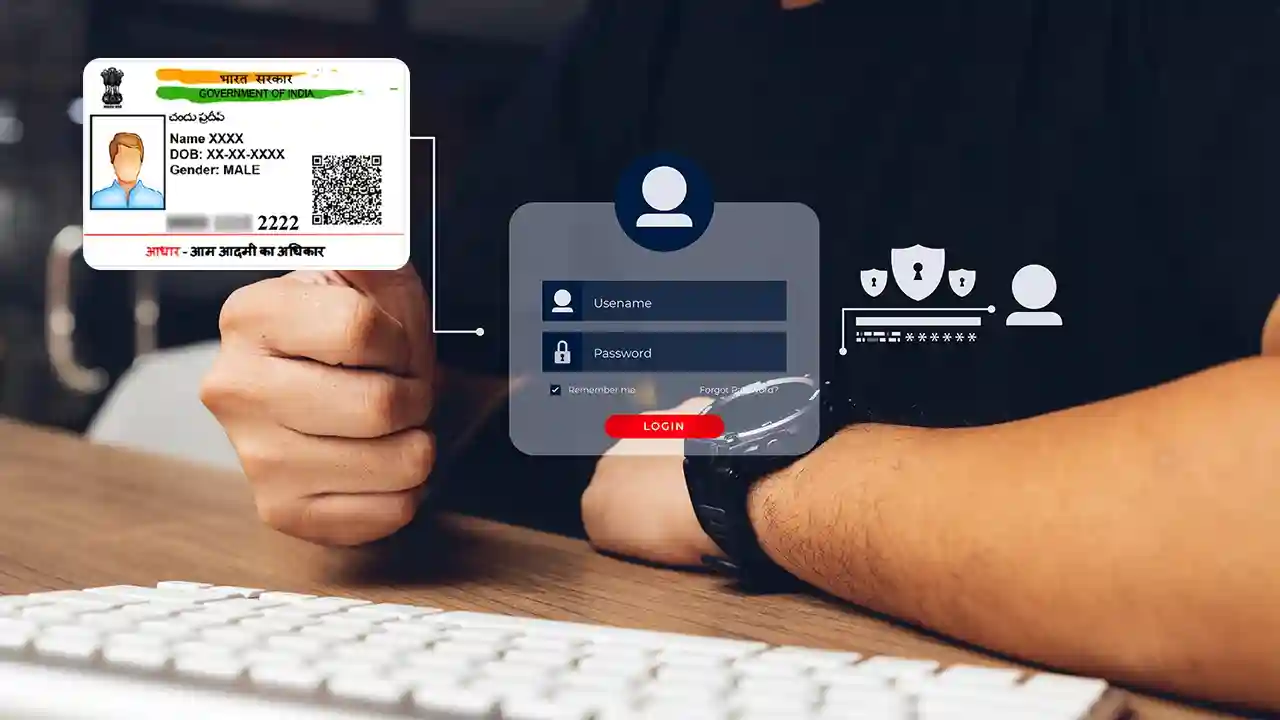
Aadhaar has turned what used to be a multi-day process involving physical forms, courier-delivered documents, and in-person verification into something that can genuinely be completed in under 10 minutes on your phone. Opening a demat account today, through nearly any SEBI-registered broker, runs almost entirely on Aadhaar-powered infrastructure — from pulling your identity documents automatically to letting you digitally sign the final application without ever touching a pen.
| Quick Facts | Details |
| Typical time to complete the application | Under 10 minutes |
| Typical account activation time | 24-48 hours |
| Core Aadhaar requirement | A mobile number linked to your Aadhaar, for OTP-based verification |
| Document-fetching tool | DigiLocker — pulls e-PAN and masked Aadhaar directly, without manual uploads |
| Identity verification step | Video KYC (V-CIP), confirming you match your submitted documents in real time |
| Segment requiring extra steps | F&O (derivatives) trading, which needs income proof and 24-48 additional hours |
Here’s what genuinely changed the game for paperless account opening: when a broker fetches your Aadhaar through DigiLocker, you get a masked version that hides the first eight digits for privacy, and that single document simultaneously satisfies both identity proof and address proof requirements at once. Because it comes directly from DigiLocker rather than a scan you upload yourself, the broker receives a digitally signed, government-verified document instead of a photo that might be blurry, cropped wrong, or mismatched against your other details — eliminating the single most common source of delays and rejections in the traditional application process.
The Aadhaar-Powered Steps in Online Account Opening
The modern demat account opening flow follows a fairly consistent sequence across most SEBI-registered brokers.
- Enter your PAN number and date of birth, which the platform validates against Income Tax Department records
- Complete Aadhaar-based e-KYC, either through OTP verification on your linked mobile number or by fetching your details directly through DigiLocker
- Take a live selfie, adding a biometric-style confirmation layer to the identity verification
- Complete a short video KYC session, where you confirm your identity on camera holding your PAN
- Digitally sign the application using Aadhaar eSign, replacing what used to require a physical wet signature
- Provide bank account details for fund transfers, which typically undergo a quick verification process before the account activates
DigiLocker’s Role: Fetching Government-Verified Documents Directly
This integration is arguably the single biggest efficiency improvement in the entire modern onboarding flow.
- Instead of manually uploading a photo or scan of your PAN card, DigiLocker fetches your e-PAN directly, issued by NSDL and digitally signed, carrying the same legal validity as the physical card
- Your Aadhaar comes through in masked format, hiding the first eight digits while still serving as valid proof of both identity and address
- For investors whose Aadhaar address is outdated, DigiLocker can often pull additional address proof documents, such as a driving licence, if those are linked to your account
- Because these documents arrive pre-verified and digitally signed by the issuing authority, the broker doesn’t need to independently authenticate them the way it would with a manually uploaded scan, meaningfully reducing processing time and rejection rates
Video KYC: The Human Verification Layer
Beyond document fetching, a live human-style verification step remains essential, and Aadhaar-linked data plays a role here too.
- Video KYC (often called V-CIP, or Video-based Customer Identification Process) requires you to appear on camera, typically holding your PAN card visibly
- This step confirms that the person completing the application matches the identity documents submitted, addressing a risk that pure document verification alone can’t fully cover
- Good lighting, a clear view of your face and PAN card, and minimal background noise all matter here — this step is one of the more common points where applications get flagged for retry
- This live verification, combined with the Aadhaar-sourced document layer, together replace what used to require an in-person visit to a broker’s office or a physical verification agent
Aadhaar eSign: Signing Documents Without Paper
The final step in a fully paperless application relies on Aadhaar’s digital signature infrastructure.
- Aadhaar eSign lets you digitally sign your account opening forms using an OTP sent to your Aadhaar-linked mobile number
- This carries the same legal standing as a physical signature under India’s IT Act framework, without requiring you to print, sign, scan, and re-upload anything
- Combined with DigiLocker document fetching and video KYC, this eSign step completes what’s often described as a genuinely paperless demat account opening experience, from start to finish
How Much Faster Is This Than the Old Process?
The scale of the improvement is worth appreciating directly, since it explains why nearly every broker has shifted almost entirely to this model.
- The traditional process involved physical forms, photocopied documents, wet-ink signatures, and often courier delivery of paperwork back and forth between investor and broker, routinely taking several days to weeks
- The Aadhaar-powered digital process reduces the application itself to under 10 minutes of active effort
- Account activation typically completes within 24-48 hours after submission, a dramatic reduction from the multi-day or multi-week timelines common under the older paper-based system
- Additional trading segments, like F&O, still require extra verification — specifically income proof such as an ITR, salary slip, or bank statement — adding a further 24-48 hours beyond basic account activation
What If You Don’t Have Aadhaar-Linked Mobile, or Are Exempt?
Aadhaar-based e-KYC is the fastest route, but it isn’t the only legally valid path for opening a demat account.
- If your Aadhaar isn’t linked to an active mobile number, OTP-based verification will fail — updating this at an Aadhaar enrollment centre before applying resolves the issue
- Individuals exempt from mandatory Aadhaar linking — including NRIs, non-citizens, and residents of Assam, Jammu & Kashmir, and Meghalaya — can still complete KYC using alternate Officially Valid Documents through offline or video-based KYC processes
- These alternate routes generally take longer than the Aadhaar-OTP path, since they rely more heavily on manual document verification rather than instant government database confirmation
- If you’ve already completed KYC previously through any SEBI-registered intermediary, your validated KRA record can often be reused for a new demat account, sparing you from repeating the full process regardless of which original verification method you used
Common Reasons Aadhaar-Based Applications Still Get Rejected
Despite the streamlined process, a handful of recurring issues still trip up a meaningful share of applications.
- Aadhaar OTP failure — usually caused by an outdated mobile number no longer linked to Aadhaar, requiring an update at an enrollment centre before reattempting
- PAN-Aadhaar mismatch — if the two aren’t linked on the income tax portal, the application process can stall or fail entirely
- Video KYC rejection — poor lighting, an unclear view of your PAN card, or background noise during the live verification session are common, avoidable causes
- Signature mismatch — when a manually uploaded signature doesn’t reasonably match the signature on file with your PAN
- Bank verification failure — occurring when the name on your bank account doesn’t sufficiently match your PAN details
This is general educational information about how Aadhaar supports online demat account opening, not investment or legal advice. Specific requirements and processing times can vary by broker, and checking your chosen platform’s current onboarding process directly is worth doing before starting an application.
FAQs
Q1. Can I open a demat account without Aadhaar at all?
Yes, individuals exempt from mandatory Aadhaar linking, such as NRIs or residents of certain states, can complete KYC using alternate Officially Valid Documents through offline or video-based verification, though this generally takes longer.
Q2. Why does DigiLocker make demat account opening faster than manual document upload?
DigiLocker provides digitally signed, government-verified documents directly to the broker, eliminating the document quality and mismatch issues that commonly cause delays or rejections with manually uploaded scans.
Q3. How long does it take for a demat account to become active after Aadhaar-based e-KYC?
The application itself typically takes under 10 minutes, with account activation generally completing within 24-48 hours, though additional segments like F&O may require extra time for income proof verification.
Q4. What’s the most common reason Aadhaar-based demat applications fail?
Aadhaar OTP failure due to an outdated or unlinked mobile number is among the most common issues, followed closely by PAN-Aadhaar mismatches and video KYC rejections from poor lighting or unclear document visibility.