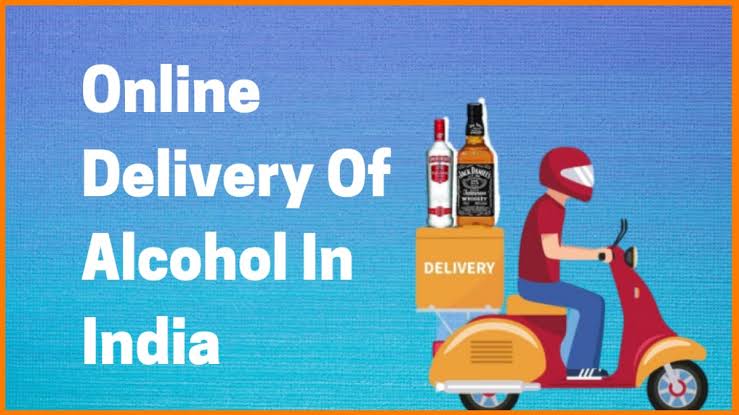
Open Swiggy Instamart in Mumbai on a Friday evening, and you might genuinely find beer and wine available for delivery within twenty minutes. Try the exact same search in Delhi, and you’ll likely be disappointed, despite Delhi having technically permitted alcohol home delivery through official policy since 2021. This exact confusion, where a business model is legal in one city, practically non-functional in another, and simply banned entirely somewhere else, genuinely defines what anyone considering an alcohol delivery business in India needs to understand before assuming a single national answer exists.
Here’s why this genuinely matters beyond simple curiosity: alcohol regulation in India is a state subject, meaning there’s no single national framework governing whether, how, or where you can legally deliver alcohol to someone’s doorstep. What’s fully operational and profitable in one state can be legally impossible in a neighbouring one, and even within the same city, the gap between “technically permitted” and “actually available” can be genuinely significant.
Why Alcohol Delivery Legality Genuinely Varies by State
This is the foundational reality worth understanding first. Since alcohol falls under each state’s own Excise Act rather than central legislation, whether home delivery is legal depends entirely on your specific state’s excise policy, and these policies genuinely differ enormously. As of recent reporting, home delivery of alcohol has been confirmed operational specifically in states like Odisha and West Bengal, with West Bengal running a genuinely clear, official eRetail mechanism through Kolkata specifically.
Meanwhile, several other major states, including Karnataka, Haryana, Punjab, Tamil Nadu, Goa, and Kerala, have at various points considered pilot projects for alcohol delivery through platforms like Swiggy, Zomato, and Blinkit, but consideration and actual implementation are genuinely different things, and many of these pilot discussions have not translated into fully operational, consumer-facing delivery services.
Why Delhi’s Situation Genuinely Illustrates the Gap Between Law and Practice
This is a genuinely instructive case study worth understanding, since it shows exactly how “legal” and “actually available” can diverge. Delhi’s Excise Amendment Rules, notified back in 2021, genuinely permit alcohol home delivery, but only through retailers holding a specific L-13 licence, and only when orders are placed via a mobile app or online web portal, with delivery explicitly prohibited to hostels, offices, and institutions.
Despite this genuine legal permission existing for years, actual, fully operational liquor delivery has genuinely struggled to materialise consistently in Delhi, with policy shifts, enforcement gaps, and repeated excise policy extensions creating ongoing uncertainty. This means that even in a city where the underlying law technically allows delivery, consumers and businesses alike have genuinely faced a situation where the practical reality lags considerably behind the written policy.
Why Quick-Commerce Apps Mostly Deliver Everything Except the Alcohol Itself
This is worth understanding clearly if you’re assuming platforms like Swiggy Instamart, Zepto, or BigBasket universally deliver alcohol across India simply because they’re popular delivery apps. In most Indian cities, these platforms genuinely deliver mixers, ice, snacks, and party supplies reliably, but the alcohol itself remains restricted to the specific states and cities where local excise policy genuinely permits it, and even there, availability often depends on your specific locality and delivery time window rather than being universally accessible.
This distinction genuinely matters for anyone considering entering this business, since building a venture assuming nationwide platform-based alcohol delivery is viable everywhere would be building on a fundamentally incorrect premise, when the reality is a genuinely fragmented patchwork requiring state-specific licensing and compliance wherever you intend to operate.
Why Fraud and Impersonation Risk Is Genuinely Real in This Space
This deserves specific attention, both for consumers and for legitimate businesses trying to establish trust in this space. Because legal alcohol delivery remains unclear or unavailable in many cities, this confusion has genuinely created opportunity for impersonation sites and payment scams, particularly ones demanding advance payment before any identity confirmation, or requesting repeated QR code scans framed as “delivery verification.”
Legitimate, properly licensed sellers genuinely make invoice generation and age verification an explicit, transparent part of their process rather than something customers need to push for. Any business, or any delivery service you’re using as a customer, that discourages proper invoicing or skips identity checks entirely should genuinely be treated as a red flag rather than simply an inconvenient formality being skipped for your convenience.
What This Genuinely Means If You’re Considering This Business
Given this fragmented landscape, anyone genuinely considering an alcohol delivery business in India needs to treat this as a state-by-state, sometimes city-by-city, licensing exercise rather than a single national business model you can replicate uniformly. This means securing the specific delivery-enabled liquor licence your target state requires, understanding your state’s specific restrictions around delivery hours, order verification, and prohibited delivery locations, and genuinely verifying current operational status rather than assuming a policy announcement automatically means the service is functionally available to launch around today.
Frequently Asked Questions
Q1. Is alcohol home delivery legal everywhere in India, or does it genuinely depend on which state I’m in?
It genuinely depends entirely on your specific state, since alcohol regulation falls under individual State Excise Acts rather than central law, meaning delivery that’s fully legal and operational in states like West Bengal or Odisha may be restricted, pilot-stage, or entirely unavailable in other states.
Q2. Why does Delhi’s policy technically allow liquor delivery, but the service still often isn’t reliably available?
This gap genuinely reflects the difference between a notified policy and actual implementation, Delhi’s L-13 licence framework for delivery has existed since 2021, but ongoing policy extensions, enforcement uncertainty, and operational gaps have meant the service hasn’t consistently functioned as smoothly as the written rules suggest it should.
Q3. Can I safely assume Swiggy Instamart or Zepto delivers alcohol wherever they operate in India?
No, genuinely not, these platforms typically deliver alcohol-adjacent items like mixers and snacks reliably nationwide, but the actual alcohol itself remains restricted to specific states and localities where local excise policy genuinely permits delivery, so availability should always be confirmed for your specific location rather than assumed.
Q4. What should I watch for to avoid scams when trying to order alcohol delivery online in a city where legality feels unclear?
Be genuinely cautious of any seller demanding advance payment before confirming your identity, requesting repeated QR code scans as “verification,” or discouraging proper invoicing, since legitimate, licensed sellers make transparent age verification and billing a standard, non-negotiable part of every transaction.